

Why Philadelphia’s Pedestrian Accident Rate Is Rising: Causes, Consequences, and Legal Remedies
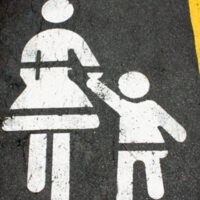
Philadelphia’s streets are becoming increasingly dangerous for pedestrians. In recent years, the number of pedestrian accidents has risen across the city, leaving more individuals and families dealing with serious injuries and long-term consequences.
From busy intersections in Center City to neighborhood streets throughout Philadelphia, pedestrians face growing risks as traffic patterns change and congestion increases. Understanding why these accidents are happening and what legal remedies are available is essential for those who have been injured.
If you or a loved one has been struck by a vehicle, speaking with an experienced Philadelphia pedestrian accident lawyer can help you protect your rights and pursue the compensation you deserve.
More Vehicles and Congested City Streets
One of the primary reasons pedestrian accidents are increasing is the growing number of vehicles on the road. Rideshare services, delivery vehicles, and increased commuting traffic have all contributed to congestion throughout Philadelphia.
With more vehicles competing for limited space, drivers are more likely to make sudden stops, aggressive turns, or unsafe maneuvers. These conditions create an environment where pedestrians are more exposed to risk, especially in high-traffic areas.
Distracted Driving
Driver distraction continues to play a major role in pedestrian accidents. Smartphones, navigation systems, and in-vehicle technology often divert attention away from the road at critical moments.
In a city where pedestrians are constantly entering and crossing roadways, even a brief lapse in attention can lead to a serious collision. When drivers fail to remain focused, pedestrians often suffer the consequences.
Failure to Yield at Crosswalks
Pennsylvania law clearly outlines a driver’s duty toward pedestrians. Under 75 Pa.C.S. § 3542, drivers must yield the right-of-way to pedestrians in marked crosswalks and at intersections without traffic signals.
Despite this requirement, failure to yield remains one of the leading causes of pedestrian accidents. Drivers may attempt to beat traffic signals, turn through intersections without checking for pedestrians, or simply fail to recognize a pedestrian’s presence.
These violations frequently form the basis of negligence claims in pedestrian accident cases.
Speeding and Aggressive Driving
Speed significantly affects both the likelihood of a crash and the severity of injuries. Drivers who exceed speed limits or fail to adjust to urban conditions reduce their ability to react to pedestrians in time.
Aggressive driving behaviors, including rapid acceleration, tailgating, and unsafe lane changes, further increase the danger. In pedestrian-heavy areas, these behaviors can quickly lead to serious accidents.
The Consequences of Pedestrian Accidents
Pedestrian accidents often result in severe injuries because individuals have no physical protection against the force of a vehicle. Victims may suffer traumatic brain injuries, spinal cord damage, fractures, internal injuries, or permanent disability.
The impact extends beyond physical harm. Many individuals face extended recovery periods, lost income, and ongoing medical needs. The emotional and financial toll can be significant, affecting not only the victim but their entire family.
How Liability Is Determined
Determining liability in a pedestrian accident is not always straightforward. While drivers often bear responsibility, insurance companies frequently attempt to shift blame onto the injured pedestrian.
Pennsylvania follows a modified comparative negligence rule under 42 Pa.C.S. § 7102. This means an injured pedestrian may recover compensation as long as they are not more than 50 percent at fault. However, any recovery is reduced by the percentage of fault assigned.
Insurers may argue that a pedestrian was distracted, crossed outside a crosswalk, or failed to observe traffic conditions. These arguments are often used to reduce the value of a claim.
Legal Remedies Available to Injured Pedestrians
Pedestrians injured in Pennsylvania have the right to pursue compensation for their losses. This may include medical expenses, ongoing treatment costs, lost wages, diminished earning capacity, pain and suffering, and compensation for permanent impairment.
In some cases, multiple insurance policies may be available, including the driver’s liability coverage and, if necessary, uninsured or underinsured motorist coverage.
Why Early Legal Action Matters
Pedestrian accident claims often depend on timely investigation and strong evidence. Surveillance footage, witness statements, and accident reports can be crucial in establishing what happened.
Delays in taking action can make it more difficult to preserve evidence and identify responsible parties. Early legal involvement helps ensure that your claim is properly documented and supported from the start.
Contact The Villari Firm
The rise in pedestrian accidents across Philadelphia is a serious concern, and the consequences for victims can be life-changing. When drivers fail to operate their vehicles safely, pedestrians often suffer the greatest harm.
At The Villari Firm, we work with injured pedestrians to evaluate their claims, gather evidence, and pursue full compensation. Contact The Villari Firm today to speak with a trusted Philadelphia pedestrian accident lawyer who will review your case and help you move forward with confidence.
Sources:
- Pennsylvania Vehicle Code – Right-of-Way of Pedestrians in Crosswalks (75 Pa.C.S. § 3542)
legis.state.pa.us/WU01/LI/LI/CT/HTM/75/00.035.042.000..HTM - Pennsylvania Comparative Negligence Statute (42 Pa.C.S. § 7102)
legis.state.pa.us/WU01/LI/LI/CT/HTM/42/00.071.002.000..HTM