

The Impact of Spinal Cord Injuries on Motorcycle Accident Compensation
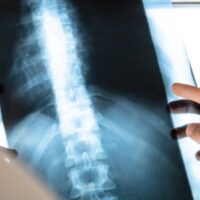
A motorcycle crash that damages the spinal cord can change nearly every part of an injured rider’s life. Emergency surgery and hospitalization may be only the beginning. Paralysis, chronic pain, limited mobility, and the loss of physical independence can continue long after the collision scene has been cleared.
A serious spinal cord injury can also create financial losses that continue for years or even a lifetime. The full financial picture often takes time to emerge as doctors learn more about the rider’s prognosis and rehabilitation progresses. As those long-term needs begin to take shape, working with a knowledgeable Philadelphia motorcycle accident lawyer can help document the medical care, lost income, and permanent changes that affect the compensation pursued after a serious Pennsylvania motorcycle accident.
Spinal Cord Injuries Can Leave Permanent Physical Limitations
A spinal cord injury can interrupt the signals traveling between the brain and the rest of the body. According to the National Institute of Neurological Disorders and Stroke, the location and severity of the damage influence movement, sensation, strength, and other bodily functions. Injuries higher on the spinal cord can result in tetraplegia or quadriplegia, while damage lower on the cord can cause paraplegia.
The extent of impairment varies from one injury to another. A person with an incomplete spinal cord injury may retain some movement or sensation below the damaged area while still living with serious physical restrictions. More extensive damage can affect walking, hand function, bladder and bowel control, sexual function, breathing, balance, and the ability to move independently between a bed and wheelchair.
Permanent loss of function changes the scale of an injury claim. A rider who loses the ability to walk, use both hands, or perform basic physical tasks may spend the rest of life adapting to limitations that did not exist before the crash. Neurological evaluations, imaging, rehabilitation records, and specialist opinions help document the extent of the damage and the level of function likely to remain.
Rehabilitation and Medical Needs Can Continue for Years
Recovery from a spinal cord injury often continues long after the rider leaves the hospital. Physical therapy may focus on strength, mobility, transfers, and wheelchair use. Occupational therapy can help with dressing, bathing, eating, household activities, and adaptive equipment. Counseling and vocational rehabilitation may also become part of the recovery process as the injured person adjusts to major changes in physical ability.
Long-term care often extends beyond scheduled therapy. Wheelchairs and mobility devices require maintenance and eventual replacement. A person living with significant paralysis may need braces, specialized beds, home health care, personal attendants, medical supplies, medications, or ongoing specialist treatment. Pressure injuries, respiratory complications, chronic nerve pain, spasticity, and infections can bring additional treatment or hospitalization.
For a rider expected to live with spinal cord damage for decades, future care may cost far more than the bills incurred during the first months after the crash. Treating physicians, rehabilitation specialists, and life-care planners can help identify anticipated therapy, equipment, attendant care, and medical services. Projecting those needs over time gives a clearer view of what long-term treatment and support may actually cost.
A Serious Spinal Cord Injury Can Change an Entire Career
Hospitalization and rehabilitation can keep an injured rider away from work for months. Permanent physical restrictions may then determine whether returning to the same occupation is realistic, whether fewer hours are possible, or whether an entirely different career becomes necessary.
The effect is especially severe for someone whose work requires lifting, driving, standing, climbing, or operating equipment. Office-based work can also become difficult when spinal cord damage affects hand function, endurance, pain levels, transportation, or the ability to remain seated for long periods. Frequent medical appointments and complications may create additional interruptions even after someone returns to employment.
Compensation may include the income the rider was reasonably expected to earn over the course of a career. Age, education, employment history, prior earnings, occupation, expected advancement, and permanent medical restrictions all contribute to that calculation. A rider who returns to a lower-paying position or works fewer hours may face a financial loss that continues for decades.
Losing Independence Changes Life Inside and Outside the Home
Spinal cord damage can turn ordinary routines into daily challenges. Getting out of bed, bathing, dressing, cooking, driving, caring for children, shopping, or entering a building may require assistance or adaptive equipment. A home that once worked well may need ramps, wider doorways, bathroom modifications, accessible counters, or changes to sleeping areas. Transportation may require a wheelchair-accessible vehicle or specialized driving controls.
Family roles can shift as well. A spouse, parent, or adult child may begin providing transportation, personal care, help with appointments, or assistance with household responsibilities. Recreational activities, travel, exercise, hobbies, and social events can become harder to enjoy in the same way. For someone who lived independently before the crash, needing daily assistance can be one of the most difficult changes to accept.
Personal losses deserve separate attention from medical bills and lost income. Chronic pain, permanent disability, emotional distress, reduced mobility, and the loss of enjoyment of life may affect the rider every day. Describing how daily life changed after the crash helps show the full human cost of a severe spinal cord injury.
Fault Disputes Can Affect Compensation After a Pennsylvania Motorcycle Crash
A catastrophic injury does not prevent an insurance company from disputing fault. The insurer may argue that the motorcyclist was speeding, following too closely, riding outside a proper lane position, or reacting improperly before the collision.
Pennsylvania uses a modified comparative-negligence rule under 42 Pa.C.S. § 7102. An injured person may recover damages when the percentage of negligence attributed to that person is not greater than the causal negligence attributed to the defendant or defendants. Any award is reduced according to the injured person’s assigned share of fault.
Even a modest percentage reduction can have a major effect when spinal cord damage creates substantial lifetime losses. Photographs, surveillance or traffic-camera footage, witness statements, vehicle damage, electronic data, police records, and accident-reconstruction evidence can help establish how the collision occurred. A detailed investigation can also respond to attempts to place an excessive share of responsibility on the injured rider.
Pennsylvania’s Filing Deadline Runs While Recovery Continues
The long-term effects of spinal cord damage often become clearer over time. Rehabilitation may still be underway while doctors assess permanent function, mobility, and future care needs. The injured rider may also be learning what daily assistance, home modifications, or employment changes will be necessary.
Pennsylvania law generally gives an injured person two years to file a personal injury lawsuit. 42 Pa.C.S. § 5524 establishes the limitations period for many actions seeking damages for injuries caused by another person’s negligence. Missing the applicable deadline can prevent the injured rider from pursuing compensation through a civil lawsuit.
Pennsylvania’s two-year period can expire while treatment is still ongoing and the long-term effects of the injury are still being documented. Early attention to the legal timeline leaves room to continue developing the medical record without losing sight of the filing deadline. Consulting with an experienced Philadelphia motorcycle accident lawyer can help protect the claim while the full extent of the rider’s medical needs and financial losses continues to develop.
Contact The Villari Firm
If you or someone you love suffered a spinal cord injury in a motorcycle crash, the effects can reach far beyond the first hospitalization. Paralysis, years of rehabilitation, ongoing medical care, reduced earning capacity, and the loss of independence can create physical and financial challenges that reshape everyday life.
The Villari Firm represents injured riders and families facing life-changing injuries throughout Philadelphia and Pennsylvania. Contact The Villari Firm to speak with an experienced Philadelphia motorcycle accident lawyer and learn how we can help pursue compensation that reflects the lasting impact of a spinal cord injury.
Sources:
- National Institute of Neurological Disorders and Stroke, Spinal Cord Injury
https://www.ninds.nih.gov/health-information/disorders/spinal-cord-injury - Pennsylvania General Assembly, 42 Pa.C.S. § 7102, Comparative Negligence
https://www.legis.state.pa.us/WU01/LI/LI/CT/HTM/42/00.071..HTM - Pennsylvania General Assembly, 42 Pa.C.S. § 5524, Two-Year Limitation
https://www.legis.state.pa.us/WU01/LI/LI/CT/HTM/42/00.055.024.000..HTM