

The Role of Trucking Company Negligence in Pennsylvania Highway Accidents
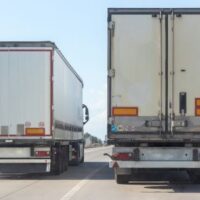
Pennsylvania highways carry a constant flow of commercial trucks transporting goods across the state and beyond. While these vehicles play an essential role in the economy, they also present serious dangers when trucking companies fail to follow safety rules. When a large truck is involved in a collision, the consequences for drivers and passengers in smaller vehicles can be devastating. In many cases, these crashes are not unavoidable accidents but the result of preventable corporate negligence.
Victims of serious truck crashes often turn to an experienced Philadelphia truck accident lawyer to determine whether a trucking company’s actions, or lack of action, contributed to the collision. Understanding how trucking company negligence occurs is a critical step in holding the right parties accountable and pursuing full compensation under Pennsylvania law.
How Trucking Company Negligence Leads to Highway Accidents
Unlike ordinary car accidents, truck crashes frequently involve systemic failures by trucking companies rather than a single moment of driver error. Federal and state laws place extensive responsibilities on trucking companies to ensure their vehicles are safe, their drivers are properly qualified, and their operations comply with safety standards. When companies cut corners to save time or reduce costs, the risk to the public increases dramatically.
Common forms of trucking company negligence include poor vehicle maintenance, ignoring safety violations, pressuring drivers to meet unrealistic delivery schedules, and hiring or retaining drivers who are unqualified or unsafe. These decisions often occur long before a crash happens, but they play a direct role in causing serious accidents on Pennsylvania highways.
Improper Truck Maintenance and Inspection Failures
Trucking companies have a legal duty to keep their fleets safe through routine inspection, repair, and maintenance. Federal safety rules require motor carriers to systematically maintain commercial vehicles and address defects before those vehicles return to service. When companies fall behind on brake repairs, tire replacements, lighting issues, or steering system maintenance, the result is not just poor upkeep. It is a safety failure that can directly lead to a highway collision.
When maintenance schedules are skipped or inspection documentation is incomplete, mechanical breakdowns become far more likely. In serious truck accident cases, maintenance records, repair histories, and inspection reports often become key evidence in determining whether the trucking company’s decisions contributed to the crash.
Driver Fatigue and Pressure from Employers
Driver fatigue is one of the most dangerous risk factors in commercial trucking. Federal Hours-of-Service rules set limits on driving time and require rest periods to reduce fatigue and prevent exhaustion-related crashes. In practice, however, fatigue issues often trace back to company-level pressure, unrealistic delivery expectations, or weak compliance oversight.
When a trucking company encourages drivers to push beyond safe limits or ignores repeated violations reflected in electronic logs, that conduct can support a negligence claim. Electronic logging device data and trip records may reveal what a driver was doing in the hours and days leading up to the crash, and whether the company’s scheduling practices rewarded unsafe behavior.
Negligent Hiring, Training, and Supervision
Trucking companies are responsible for ensuring their drivers are properly licensed, trained, and medically qualified before allowing them to operate large commercial vehicles. Negligent hiring can occur when companies fail to conduct adequate background checks or overlook a driver’s history of traffic violations, substance abuse, or unsafe driving.
Inadequate training on vehicle handling, cargo management, or emergency response can further increase the risk of serious accidents. Companies that fail to supervise drivers or address repeated safety violations may be held accountable when those drivers cause harm on Pennsylvania roadways.
Cargo Loading Errors and Shared Responsibility
Improperly loaded or unsecured cargo can cause trucks to jackknife, roll over, or lose control at highway speeds. Although cargo loading may be handled by third parties, trucking companies are still responsible for ensuring loads are safe before a truck enters the roadway.
Overloaded trucks and shifting cargo place additional strain on braking and steering systems. When cargo-related failures contribute to a crash, liability may extend to multiple parties, including the trucking company, freight handler, or shipper.
Proving Trucking Company Negligence Under Pennsylvania Law
Establishing trucking company negligence requires a thorough investigation that goes beyond the initial police report. Evidence may include driver qualification files, maintenance records, electronic logging data, inspection documentation, and internal company policies.
Pennsylvania follows a modified comparative negligence system under 42 Pa. C.S. § 7102, which allows injured individuals to recover compensation as long as they are not more than 50 percent responsible for the accident. However, any fault attributed to the victim can reduce the amount of damages awarded. Careful evidence collection is critical to demonstrate how the trucking company’s decisions contributed to the crash and to counter attempts to unfairly shift blame.
Because trucking companies and insurers often act quickly after serious accidents, important evidence can disappear unless it is preserved early. Prompt legal action may be necessary to protect records and establish accountability.
The Lasting Impact of Trucking Company Negligence
Truck crashes frequently result in catastrophic injuries, including traumatic brain injuries, spinal cord damage, amputations, and wrongful death. Federal safety data consistently shows that thousands of people are killed each year in crashes involving large trucks, underscoring the devastating consequences of safety failures within the trucking industry.
For victims and their families, the physical, emotional, and financial toll can be overwhelming. Medical expenses, long-term rehabilitation, lost income, and permanent disability often follow these crashes, making accountability and full compensation essential for recovery.
Contact The Villari Firm
If you or a loved one was injured in a Pennsylvania highway accident involving a commercial truck, it is important to understand whether the trucking company’s negligence played a role. An experienced Philadelphia truck accident lawyer can investigate safety violations, identify all responsible parties, and pursue the compensation you deserve.
The Villari Firm has decades of experience representing victims of serious injury and wrongful death caused by negligence. We approach every truck accident case with compassion, careful attention to detail, and a commitment to holding powerful trucking companies accountable. Contact The Villari Firm today to schedule a free consultation.
Sources:
Federal Motor Carrier Safety Administration – Hours of Service Overview (49 C.F.R. Part 395)
eCFR – 49 C.F.R. Part 395: Hours of Service of Drivers (Official Regulatory Text)
eCFR – 49 C.F.R. Part 396: Inspection, Repair, and Maintenance (Official Regulatory Text)
Pennsylvania Department of Transportation – Heavy Trucks and Commercial Vehicle Safety
Pennsylvania General Assembly – 42 Pa. C.S. § 7102: Comparative Negligence