

Failure to Monitor Fetal Distress: When Negligence Leads to Preventable Birth Injuries
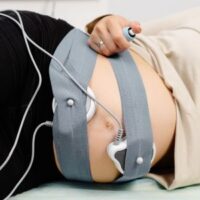
Labor can change quickly, even after an otherwise healthy pregnancy. A baby who appears stable when a mother arrives at the hospital can begin struggling as contractions intensify, medications are administered, or complications develop. Changes in the fetal heart rate can give the medical team an early warning that the baby is no longer tolerating labor well.
Parents may not learn that the heart rate became concerning until their child is rushed to the neonatal intensive care unit or diagnosed with a serious neurological injury. The hours before delivery can then become the focus of difficult questions about when the warning signs first appeared and how long they continued. Working with an experienced Philadelphia fetal distress lawyer can help parents determine whether a preventable delay during labor contributed to their child’s injury.
Fetal Heart Rate Changes Can Signal Trouble During Labor
Doctors and nurses follow fetal heart rate patterns throughout labor because the tracing can reveal how the baby is responding to contractions. Brief changes are common, but recurrent decelerations, a prolonged drop in heart rate, or a pattern that continues to worsen can signal that the baby needs closer evaluation.
Under 28 Pa. Code § 137.4, a professional nurse must be available at all times to supervise nursing personnel monitoring occupied labor rooms. Experienced supervision is especially important when the tracing changes repeatedly or the mother’s condition creates additional concern.
No single number tells the entire story. The heart rate has to be viewed alongside the frequency of contractions, the progress of labor, medication use, and complications that can interfere with oxygen reaching the baby. A pattern that looked reassuring earlier can become more concerning as labor progresses.
Missed Patterns and Delayed Escalation
Fetal distress is not always missed because no one looked at the monitor. A nurse can see repeated changes without recognizing their significance, or a concerning pattern can continue without being communicated quickly enough to the physician responsible for delivery.
Pennsylvania requires sufficient medical and licensed nursing personnel in labor and delivery units for the proper observation and care of patients under 28 Pa. Code § 137.23. The same provision requires written policies governing oxytocic drugs used to induce or strengthen labor.
Oxytocic drugs can make contractions stronger or more frequent, increasing stress on a baby already affected by cord compression, placental problems, infection, or another complication. Repeated heart rate changes need to be recognized as a developing pattern rather than treated as unrelated events.
Delays in Delivery Can Increase the Risk of Injury
A sustained abnormal heart rate pattern can require immediate changes in the way labor is managed. Under 28 Pa. Code § 137.21, Pennsylvania hospitals must have obstetrical policies providing for intervention when there is evidence of maternal, fetal, or neonatal distress.
Providers can reposition the mother, change medication, reduce excessive contractions, evaluate a possible cord complication, or prepare for an expedited delivery. A heart rate that continues to deteriorate leaves less time for continued observation while the baby remains under stress.
Under 28 Pa. Code § 137.12, delivery rooms must have the equipment and supplies necessary for the immediate management of complications involving the mother or infant, and at least one delivery room must be equipped for emergency cesarean sections. A prolonged delay in moving toward delivery can expose a baby to continued oxygen loss during a period when minutes can matter.
Oxygen Deprivation Can Cause Lifelong Birth Injuries
A baby who receives too little oxygen or blood flow around the time of birth can suffer injury to the developing brain and other organs. Hypoxic-ischemic encephalopathy, or HIE, is one of the most serious conditions associated with oxygen deprivation during labor and delivery.
Severe HIE can lead to seizures, movement difficulties, developmental delays, cognitive impairment, or cerebral palsy. Parents do not always know the full extent of the injury during the first days after birth. New challenges often become clearer as the child reaches stages involving speech, mobility, learning, coordination, and independence.
A child with significant neurological damage can need years of medical care, physical and occupational therapy, adaptive equipment, educational support, and help with everyday activities. Those needs can continue changing as the child grows.
When a Birth Injury Changes a Child’s Future
A preventable birth injury can change plans a family had made long before labor began. Instead of taking a healthy newborn home, parents can find themselves moving between specialists, therapy appointments, hospital visits, and evaluations while still trying to understand why their child was injured.
As a child grows, developmental delays that were difficult to measure during infancy can become more pronounced. School, communication, mobility, and self-care can reveal new limitations, while treatment and support that seemed temporary during the first year can become part of everyday life.
For parents who believe fetal distress was not handled appropriately, the labor and delivery record can help clarify when the heart rate changed, how the care team responded, and when the decision to deliver was made. Guidance from a knowledgeable Philadelphia fetal distress lawyer can help determine whether the circumstances surrounding delivery support a claim for medical negligence.
Contact The Villari Firm
If your child suffered a serious birth injury after signs of fetal distress during labor, concerns about the monitoring and timing of delivery deserve careful attention. The Villari Firm represents children and parents throughout Pennsylvania in birth injury claims involving failures to recognize and respond to dangerous changes during labor.
Contact The Villari Firm today to speak with a trusted Philadelphia fetal distress lawyer and learn how we can help protect your child’s future after a preventable birth injury.
Sources:
- Pennsylvania Code — 28 Pa. Code § 137.4 Nursing Service
pacodeandbulletin.gov/secure/pacode/data/028/chapter137/s137.4.html - Pennsylvania Code — 28 Pa. Code § 137.23 Labor Room Procedures
pacodeandbulletin.gov/secure/pacode/data/028/chapter137/s137.23.html - Pennsylvania Code — 28 Pa. Code § 137.21 Policies and Procedures
pacodeandbulletin.gov/secure/pacode/data/028/chapter137/s137.21.html - Pennsylvania Code — 28 Pa. Code § 137.12 Delivery Suite
pacodeandbulletin.gov/secure/pacode/data/028/chapter137/s137.12.html