

How Late Identification of a Hit-and-Run Driver Affects a Pennsylvania Injury Claim
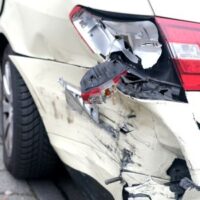
A hit-and-run crash can leave someone seriously hurt and recovering without knowing who caused the collision. Police may begin with only a partial license plate, a vehicle description, or limited surveillance footage, and months can pass before new information finally identifies the driver.
Finding the driver later can create a direct path to the person responsible, but the delay can also affect whether a personal injury claim remains available. Pennsylvania generally provides two years to file a negligence action, and that deadline continues to run while the driver remains unknown. When the investigation is still ongoing, review by an experienced Philadelphia hit-and-run lawyer can clarify what legal options remain available while efforts to identify the driver continue.
Pennsylvania’s Two-Year Filing Deadline Still Applies
Pennsylvania generally gives someone hurt in a motor vehicle crash two years to file a personal injury lawsuit under 42 Pa.C.S. § 5524. In a hit-and-run case, much of that time can pass while police continue working to identify the driver through surveillance footage, witness accounts, vehicle damage, or other evidence.
Finding the driver later does not usually restart the two-year filing period. If the person is identified before the deadline, there may still be time to bring a claim directly against them. The situation becomes more complicated when the driver remains unknown as the deadline gets closer.
A Doe Complaint Can Address an Unknown Driver
Pennsylvania procedure allows someone hurt in a crash to use a Doe designation when the driver responsible has not yet been identified. Rule 2005 requires a reasonable search and due diligence before that step is taken, and the complaint must describe the unknown defendant with enough detail to allow that person to be identified later.
A Doe complaint can give the case a way to move forward while police or other investigators continue searching for the driver. Once the driver’s identity becomes known, Rule 2005 requires a motion to replace the Doe designation with the correct name within 20 days.
Pennsylvania Rule 1033 can allow that amendment to relate back to the original filing date when the rule’s notice requirements are met. The strength of that position often depends on the investigation that took place before and after filing, which is why the Doe designation should be tied to a continued effort to identify the driver rather than treated as the end of the search.
Evidence Can Be Lost Before the Driver Is Identified
The search for a hit-and-run driver can continue for months, but evidence from the crash can begin disappearing much sooner. Surveillance footage may be overwritten, damaged vehicles can be repaired, and witnesses may become harder to locate as time passes.
Evidence collected early can help with more than identifying the person who left the scene. It can also help reconstruct how the collision occurred if the driver is later found and disputes involvement or responsibility. Video, photographs, witness information, and physical evidence from the vehicles can become especially important at that stage.
Medical records develop alongside that investigation and can document the injuries caused by the crash, the treatment required, and any lasting limitations. Keeping that medical history well documented can strengthen the claim even while the identity of the driver remains unresolved.
Uninsured Motorist Coverage May Apply Before the Driver Is Found
A person recovering from a hit-and-run crash may still have an insurance option even when the other driver has not been identified. Uninsured motorist coverage can provide a source of recovery while the investigation into the fleeing driver continues.
Pennsylvania insurers are required to offer uninsured motorist coverage, although a policyholder can reject it in writing. Under 75 Pa.C.S. § 1731, that coverage can provide benefits when a person is legally entitled to recover damages from an uninsured driver. Whether it applies after a hit-and-run depends on the policy and the circumstances of the collision.
A claim for uninsured motorist benefits can move forward without waiting for police to find the driver. If the person responsible is later identified, their insurance coverage can then be reviewed to determine what additional options may be available.
Identifying the Driver Can Reveal Additional Sources of Recovery
Once the hit-and-run driver is identified, the claim can move beyond the limited information available during the search. Liability insurance, vehicle ownership, and the possible involvement of another responsible party can all come into clearer focus.
The driver’s account of the crash can also be examined alongside the physical evidence and witness information. Under 75 Pa.C.S. § 3742, a driver involved in a collision causing injury or death has a duty to stop and remain at the scene until the required obligations are completed.
The civil claim still depends on proving that the driver caused the collision and the resulting injuries. When that connection is established, compensation can address medical costs, lost income, pain and suffering, and the longer-term effects the crash has had on the person’s daily life.
Late Identification Can Raise Relation-Back Issues
When a hit-and-run driver is identified close to Pennsylvania’s two-year filing deadline, timing can become a critical part of the claim. If the driver is found before the deadline expires, there may still be an opportunity to file directly against that person.
A different issue arises when the driver is identified after the filing period has passed. If a timely Doe complaint was already filed, Pennsylvania law may allow the driver’s actual name to replace the Doe designation, but the requirements for relation back under Rule 1033 still have to be satisfied.
The date the driver is finally identified is only one part of the analysis. The steps taken before the deadline, the efforts made to identify the driver, and the notice provided after the case was filed can all affect whether the claim remains available.
The Civil Filing Deadline Does Not Wait for the Police Investigation
A police investigation can remain open while the deadline for a personal injury lawsuit moves closer. Someone recovering from a serious hit-and-run crash may understandably expect the criminal investigation to resolve the driver’s identity first, but waiting for that result can leave the civil case with very little time.
The approaching deadline calls for attention to the claim even when police have not yet found the driver. An injured person may need to consider a Doe complaint, available uninsured motorist coverage, or both while the investigation continues.
Those decisions depend heavily on the timing of the crash and what has already been done to identify the fleeing motorist. Because the filing deadline can continue running while police search for the fleeing driver, working with a knowledgeable Philadelphia hit-and-run lawyer can help determine how a later identification affects the civil claim and the time available to pursue it.
Contact The Villari Firm
If you were seriously injured by a driver who fled the scene, months of uncertainty can make an already difficult recovery even harder. Identifying the driver later can create new opportunities to pursue compensation, but Pennsylvania’s filing deadline can affect what remains available.
The Villari Firm represents people injured in hit-and-run crashes throughout Philadelphia and Pennsylvania. Contact The Villari Firm to speak with an experienced Philadelphia hit-and-run lawyer and learn how we can pursue compensation after a driver leaves the scene and cannot immediately be identified.
Sources:
- Pennsylvania General Assembly, 42 Pa.C.S. § 5524, Two Year Limitation
https://www.legis.state.pa.us/WU01/LI/LI/CT/HTM/42/00.055.024.000..HTM - Pennsylvania Code, Pa.R.C.P. 2005, Unknown Defendant, Doe Designation
https://www.pacodeandbulletin.gov/secure/pacode/data/231/chapter2000/s2005.html - Pennsylvania Code, Pa.R.C.P. 1033, Amendment
https://www.pacodeandbulletin.gov/secure/pacode/data/231/chapter1000/s1033.html - Pennsylvania General Assembly, 75 Pa.C.S. § 1731, Availability, Scope and Amount of Uninsured and Underinsured Motorist Coverage
https://www.legis.state.pa.us/WU01/LI/LI/CT/HTM/75/00.017.031.000..HTM - Pennsylvania General Assembly, 75 Pa.C.S. § 3742, Accidents Involving Death or Personal Injury
https://www.legis.state.pa.us/WU01/LI/LI/CT/HTM/75/00.037.042.000..HTM