

Crosswalk Collisions in Philadelphia: Understanding Liability When a Pedestrian Is Struck by a Vehicle
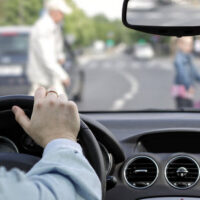
Crosswalks are meant to be places of safety, clearly designating where pedestrians have the legal right to cross the street. Yet in Philadelphia, crosswalk collisions remain a serious and persistent problem. Busy intersections, distracted drivers, speeding, and failure to yield all contribute to devastating accidents that leave pedestrians with severe injuries and lasting consequences.
When a pedestrian is struck in a crosswalk, questions of liability quickly arise, and understanding how Pennsylvania law applies is critical. If you or a loved one has been injured, speaking with a Philadelphia pedestrian accident lawyer early can make a meaningful difference in protecting your rights.
Why Crosswalk Accidents Are So Common in Philadelphia
Philadelphia’s dense urban layout creates a constant interaction between vehicles and pedestrians. Many crosswalks are located at complex intersections with multiple lanes of traffic, turning vehicles, and public transportation stops. Drivers rushing through yellow lights, failing to check for pedestrians before turning, or traveling at unsafe speeds significantly increase the risk of a collision.
Distracted driving also plays a major role. Motorists using cell phones, adjusting navigation systems, or simply failing to remain attentive may not notice a pedestrian lawfully crossing until it is too late. Poor visibility, weather conditions, and inadequate lighting can further compound these dangers, particularly during early morning or evening hours.
Pedestrian Right-of-Way Under Pennsylvania Law
Pennsylvania law provides strong protections for pedestrians using crosswalks. Under the Pennsylvania Vehicle Code, drivers are required to yield the right-of-way to pedestrians crossing within marked crosswalks and at unmarked crosswalks at intersections. This duty is codified in 75 Pa.C.S. § 3542, which makes clear that motorists must slow or stop to allow pedestrians to safely cross when they are lawfully within a crosswalk.
Violations of this statute are a frequent cause of crosswalk collisions. Drivers who fail to yield while making left or right turns, accelerate through intersections, or ignore pedestrian signals may be found negligent per se for violating the Vehicle Code. These statutory protections form the legal foundation of many pedestrian injury claims in Philadelphia and are often central to establishing liability.
When Liability Is Disputed in Crosswalk Collisions
Despite clear right-of-way laws, insurance companies often attempt to dispute liability after a crosswalk accident. Common arguments include claims that the pedestrian entered the crosswalk too late, crossed against a signal, or failed to remain visible. These defenses are frequently raised even when the driver’s conduct was the primary cause of the crash.
Pennsylvania follows a modified comparative negligence standard under 42 Pa.C.S. § 7102, which allows fault to be allocated between parties. While an injured pedestrian may still recover compensation if they are found to be 50 percent or less at fault, insurers aggressively seek to inflate a pedestrian’s share of responsibility to reduce or eliminate payouts. Proper application of this statute requires careful analysis of the evidence and a clear understanding of how right-of-way laws intersect with comparative negligence principles.
Common Injuries Resulting From Crosswalk Accidents
Pedestrians struck in crosswalks often suffer severe and life-altering injuries due to the lack of physical protection. These injuries may include traumatic brain injuries, spinal cord damage, multiple fractures, internal organ injuries, and extensive soft tissue damage. Recovery frequently involves prolonged medical treatment, rehabilitation, and time away from work.
Beyond physical harm, victims may experience significant emotional trauma, anxiety, and loss of independence. The financial burden associated with these injuries can be overwhelming, particularly when long-term care or permanent disability is involved.
Evidence That Can Strengthen a Crosswalk Accident Claim
Establishing liability in a crosswalk collision often depends on the availability and quality of evidence. Surveillance footage, traffic camera recordings, eyewitness statements, and police reports can all help demonstrate that a pedestrian was lawfully within the crosswalk and that the driver failed to yield.
Medical records play a critical role as well, documenting the severity of injuries and linking them directly to the collision. In some cases, accident reconstruction experts may be used to analyze vehicle speed, stopping distance, and driver behavior leading up to the impact.
How a Philadelphia Pedestrian Accident Lawyer Can Help
Navigating the aftermath of a crosswalk collision can be overwhelming, particularly when insurers challenge liability or downplay injuries. An experienced Philadelphia pedestrian accident lawyer can investigate the circumstances of the crash, preserve critical evidence, and build a compelling case on your behalf.
Legal representation also ensures that insurance companies are held accountable and that settlement offers reflect the true scope of your losses. By handling negotiations and, when necessary, litigation, an attorney allows injured pedestrians to focus on healing and recovery.
Contact The Villari Firm
If you or someone you love has been injured in a crosswalk collision in Philadelphia, you do not have to face the legal process alone. The Villari Firm has decades of experience advocating for injured pedestrians and holding negligent drivers accountable. Our team understands the complexities of crosswalk liability and is committed to pursuing the full compensation you deserve.
Contact The Villari Firm today to speak with a Philadelphia pedestrian accident lawyer and schedule a free consultation.
Sources:
- Pennsylvania Vehicle Code – Right-of-Way of Pedestrians in Crosswalks (75 Pa.C.S. § 3542)
- Pennsylvania Comparative Negligence Statute – 42 Pa.C.S. § 7102
- PennDOT Pedestrian Safety Laws and Guidance