

Understanding Your Legal Rights After a DUI Accident in Philadelphia: Criminal vs. Civil Consequences
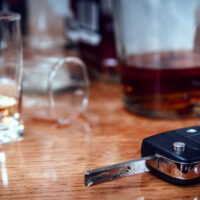
A DUI-related car accident can turn lives upside down in an instant. When a driver chooses to get behind the wheel while impaired, the consequences often extend far beyond traffic violations, leaving victims with serious injuries, emotional trauma, and long-term financial uncertainty.
In Philadelphia, DUI accidents trigger two separate legal paths: criminal prosecution of the drunk driver and civil claims brought by injured victims. Understanding how these systems work and how they differ is essential to protecting your rights and pursuing full compensation. Working with an experienced Philadelphia auto accident lawyer can help ensure that your civil rights are not overlooked while the criminal case moves forward.
Criminal DUI Charges vs. Civil Injury Claims
Pennsylvania’s DUI laws are codified at 75 Pa.C.S. § 3802, which defines when a driver is considered legally impaired based on blood alcohol concentration or the presence of controlled substances. When a DUI accident occurs, prosecutors rely on this statute to pursue criminal charges against the at-fault driver.
One of the most common sources of confusion after a DUI crash is the difference between criminal and civil proceedings. Criminal DUI charges are brought by the Commonwealth of Pennsylvania, not by the victim. The purpose of a criminal case is to punish the impaired driver through penalties such as fines, license suspension, mandatory treatment programs, probation, or incarceration.
Civil claims, by contrast, are filed by the injured victim. Their purpose is not punishment, but compensation. A civil DUI accident lawsuit seeks to recover damages for medical expenses, lost wages, pain and suffering, emotional distress, and other losses caused by the drunk driver’s negligence. Importantly, a criminal conviction is not required for a victim to succeed in a civil claim.
How Criminal DUI Proceedings Affect Civil Cases
Although criminal and civil cases are separate, the criminal DUI case can have a significant impact on a related personal injury claim. Evidence gathered during the criminal investigation, such as blood alcohol concentration results, field sobriety tests, police reports, and witness statements, can be powerful evidence in a civil lawsuit.
If the driver is convicted of DUI, that conviction may strengthen the victim’s civil case by establishing reckless conduct. However, even if criminal charges are reduced or dismissed, victims may still pursue civil compensation under Pennsylvania’s negligence laws, which have a lower burden of proof than criminal cases.
Civil Liability After a DUI Accident
Under Pennsylvania law, drunk driving is a clear breach of the duty of care owed to others on the road. This makes DUI drivers particularly vulnerable to civil liability in a Philadelphia personal injury lawsuit after a DUI accident. Victims may pursue compensation for both economic and non-economic damages, including emergency medical care, long-term treatment, rehabilitation, lost income, reduced earning capacity, and diminished quality of life. In especially egregious cases, Pennsylvania courts may also allow punitive damages. These damages are designed to punish particularly reckless behavior and deter similar conduct in the future, and DUI accidents are one of the most common scenarios where punitive damages may apply.
Dram Shop Liability and Third-Party Claims
In some DUI accident cases, liability may extend beyond the drunk driver. Pennsylvania’s dram shop laws allow injured victims to pursue claims against bars, restaurants, or other establishments that served alcohol to a visibly intoxicated person or a minor who later caused an accident.
These claims require careful investigation and evidence, such as receipts, surveillance footage, witness testimony, and expert analysis. When successful, dram shop claims can significantly increase the compensation available to victims, particularly when the at-fault driver has limited insurance coverage.
Insurance Challenges in DUI Accident Claims
Insurance issues are often more contentious in DUI-related accidents. While the at-fault driver’s insurer may still be obligated to provide coverage, insurance companies frequently attempt to limit payouts by disputing damages or minimizing the extent of injuries.
In cases involving uninsured or underinsured drivers, victims may need to rely on their own uninsured or underinsured motorist coverage. Navigating these claims requires a thorough understanding of Pennsylvania insurance law and policy language, as insurers often scrutinize DUI-related claims aggressively.
Comparative Negligence Considerations
Civil DUI accident claims in Pennsylvania are governed by the state’s comparative negligence statute, 42 Pa.C.S. § 7102. This law determines how fault is allocated when multiple parties may share responsibility for a crash.
Pennsylvania follows a modified comparative negligence system. This means that injured victims may recover compensation as long as they are not more than 50 percent at fault for the accident. However, insurance companies sometimes attempt to shift partial blame onto victims, even in DUI cases.
Strong legal advocacy is critical to countering these tactics and ensuring that fault is assigned appropriately. The presence of alcohol impairment often plays a key role in limiting or eliminating claims of shared fault.
The Emotional Impact of DUI Accidents
Beyond physical injuries, DUI accidents often leave victims with lasting emotional and psychological harm. Anxiety, post-traumatic stress, and fear of driving are common after serious crashes involving impaired drivers. Families may also struggle with anger and frustration, particularly when the criminal justice process feels slow or disconnected from their personal losses.
Civil compensation cannot undo the harm, but it can provide financial stability, access to proper care, and a sense of accountability that helps victims begin the recovery process.
Contact The Villari Firm
If you or a loved one has been injured in a DUI-related accident in Philadelphia, understanding the difference between criminal penalties and civil remedies is essential to protecting your future. At The Villari Firm, our experienced Philadelphia DUI accident lawyers focus exclusively on representing injured victims, not impaired drivers. We will aggressively pursue every available civil remedy while coordinating with the criminal process to strengthen your case.
Contact The Villari Firm today for a confidential consultation and let us help you take the next step toward justice and recovery.
Sources:
- 75 Pa.C.S. § 3802 – Driving Under the Influence of Alcohol or Controlled Substance
- 42 Pa.C.S. § 7102 – Comparative Negligence
- 47 P.S. § 4-493 – Unlawful Acts Relative to Liquor, Malt and Brewed Beverages and Licensees (Pennsylvania Dram Shop Law)