

When Construction Zones Become Road Hazards: Philadelphia’s Liability for Improper Road Maintenance
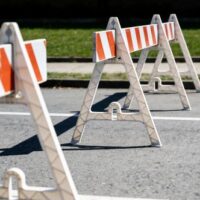
Construction is a constant part of life on Philadelphia roads. From major infrastructure projects to neighborhood repairs, drivers are regularly navigating lane shifts, temporary barriers, uneven pavement, and changing traffic patterns. While these projects are intended to improve safety over time, they can create dangerous conditions when not properly managed.
When construction zones are poorly designed or inadequately maintained, they can quickly become serious hazards. Drivers may encounter missing signs, unclear lane markings, debris in the roadway, or abrupt surface changes that increase the risk of a crash. In these situations, responsibility may extend beyond the drivers involved to include contractors or even the City of Philadelphia.
If you were injured in a crash involving unsafe road conditions, speaking with an experienced Philadelphia auto accident lawyer can help determine whether improper road maintenance played a role in the accident.
How Construction Zones Create Unsafe Driving Conditions
Construction zones require careful planning, clear communication, and consistent maintenance. When any of these elements break down, the result can be confusion and increased risk for drivers.
Common hazards include uneven road surfaces, sudden drop-offs between lanes, poorly marked detours, and a lack of proper warning signs. At night or during heavy traffic, these issues become even more dangerous. Drivers may not have enough time to react, especially when conditions change unexpectedly.
These situations often lead to rear-end collisions, sideswipe accidents, or loss-of-control crashes, particularly when multiple vehicles are involved.
When the City May Be Responsible
Municipalities have a duty to maintain public roadways in a reasonably safe condition. However, claims against the City of Philadelphia are governed by specific legal rules related to governmental immunity.
Under 42 Pa.C.S. § 8542, Pennsylvania law allows certain exceptions to governmental immunity when dangerous conditions of public property cause injury. Unsafe construction zones, defective road surfaces, or failure to properly maintain traffic control measures may fall within these exceptions if certain conditions are met.
These cases often depend on whether the city knew or should have known about the hazardous condition and failed to correct it within a reasonable time.
When Contractors Share Responsibility
In many construction zone accidents, responsibility may extend beyond the city. Private contractors are often hired to perform roadwork and are responsible for setting up safe work zones, placing signage, and maintaining traffic flow.
If a contractor fails to properly mark hazards, leaves debris in the roadway, or creates unsafe driving conditions, they may be held liable for resulting accidents. In some cases, both the city and the contractor may share responsibility for the same incident.
Determining who controlled the work site and what safety measures were in place is a key part of these cases.
How Liability Is Challenged After a Crash
Even when construction conditions are clearly unsafe, insurance companies often attempt to shift blame onto drivers. They may argue that a driver failed to slow down, ignored warning signs, or did not exercise proper caution.
These arguments can complicate claims, particularly when multiple vehicles are involved. Disputes over fault may affect how compensation is calculated and whether certain parties are held accountable.
A thorough investigation helps ensure that liability is properly assigned to those responsible for creating or failing to address the hazard.
Proving That a Construction Zone Was Unsafe
Establishing a claim based on unsafe road conditions requires strong evidence. Photographs of the scene, witness statements, and police reports can help demonstrate what the roadway looked like at the time of the crash.
In some cases, construction permits, maintenance records, and contractor agreements are necessary to identify who was responsible for the work. Surveillance footage and expert analysis may also be used to show how the hazardous condition contributed to the accident.
Because these conditions can change quickly, acting early is essential.
The Real Impact of Construction Zone Accidents
Accidents involving unsafe construction zones often result in serious injuries. Drivers and passengers may suffer traumatic brain injuries, spinal cord damage, fractures, or long-term physical limitations.
These injuries frequently require extensive medical treatment and rehabilitation. In some cases, individuals are unable to return to work, creating long-term financial challenges.
The effects of these accidents go beyond the immediate impact and can influence every aspect of a person’s life.
Why Timing Matters in These Claims
Claims involving municipalities and construction projects often have strict procedural requirements. There may be shorter notice deadlines and specific legal steps that must be followed to preserve a claim.
Delays can make it more difficult to gather evidence or identify all responsible parties. Early legal involvement helps ensure that these requirements are met and that critical evidence is preserved.
Contact The Villari Firm
Construction zones should not put drivers at unnecessary risk. When poor planning, inadequate maintenance, or unsafe conditions lead to serious accidents, those responsible should be held accountable.
If you were injured in a construction zone accident in Philadelphia, you may have a claim against multiple parties, including contractors or the city. Contact The Villari Firm today to speak with a trusted Philadelphia auto accident lawyer who can evaluate your case and help you move forward.
Source:
Pennsylvania Political Subdivision Tort Claims Act – Exceptions to Immunity (42 Pa.C.S. § 8542)
legis.state.pa.us/WU01/LI/LI/CT/HTM/42/00.085.042.000..HTM